


When people try to lose weight, most of the attention goes to calorie intake and exercise routines. However, growing scientific evidence shows that sleep duration and quality play a critical role in regulating body weight, fat storage, and appetite control.
According to Healthline, insufficient sleep is strongly linked to weight gain because it disrupts hunger hormones, increases calorie intake, and negatively affects metabolism.
This article explains how many hours of sleep are ideal for weight loss, why sleep affects fat loss, and how improving sleep habits can support long-term weight management.
Why Sleep Matters for Weight Loss (Scientific Explanation)
Weight loss depends on maintaining a calorie deficit, but sleep influences how the body responds to that deficit.
According to WebMD, lack of sleep alters levels of ghrelin (the hormone that stimulates hunger) and leptin (the hormone that signals fullness), leading to increased appetite and reduced satiety.
When these hormones are disrupted, people tend to eat more calories—often without realizing it—making fat loss more difficult even when diet quality is good.
How Many Hours of Sleep Support Fat Loss?
Most large-scale studies suggest that adults should aim for 7 to 9 hours of sleep per night for optimal metabolic health and weight regulation.
The Centers for Disease Control and Prevention (CDC) recommends at least 7 hours of sleep for adults to reduce the risk of obesity and metabolic disorders.
Sleep Duration and Weight Loss Outcomes
| Sleep Duration | Impact on Weight Loss |
|---|---|
| Less than 6 hours | Increased hunger, reduced fat oxidation |
| 6–7 hours | Partial hormonal imbalance |
| 7–9 hours | Optimal appetite and metabolism |
| Over 9 hours | May reduce daily activity levels |
While individual needs vary slightly, 7–9 hours remains the most consistently supported range across nutrition and sleep research.
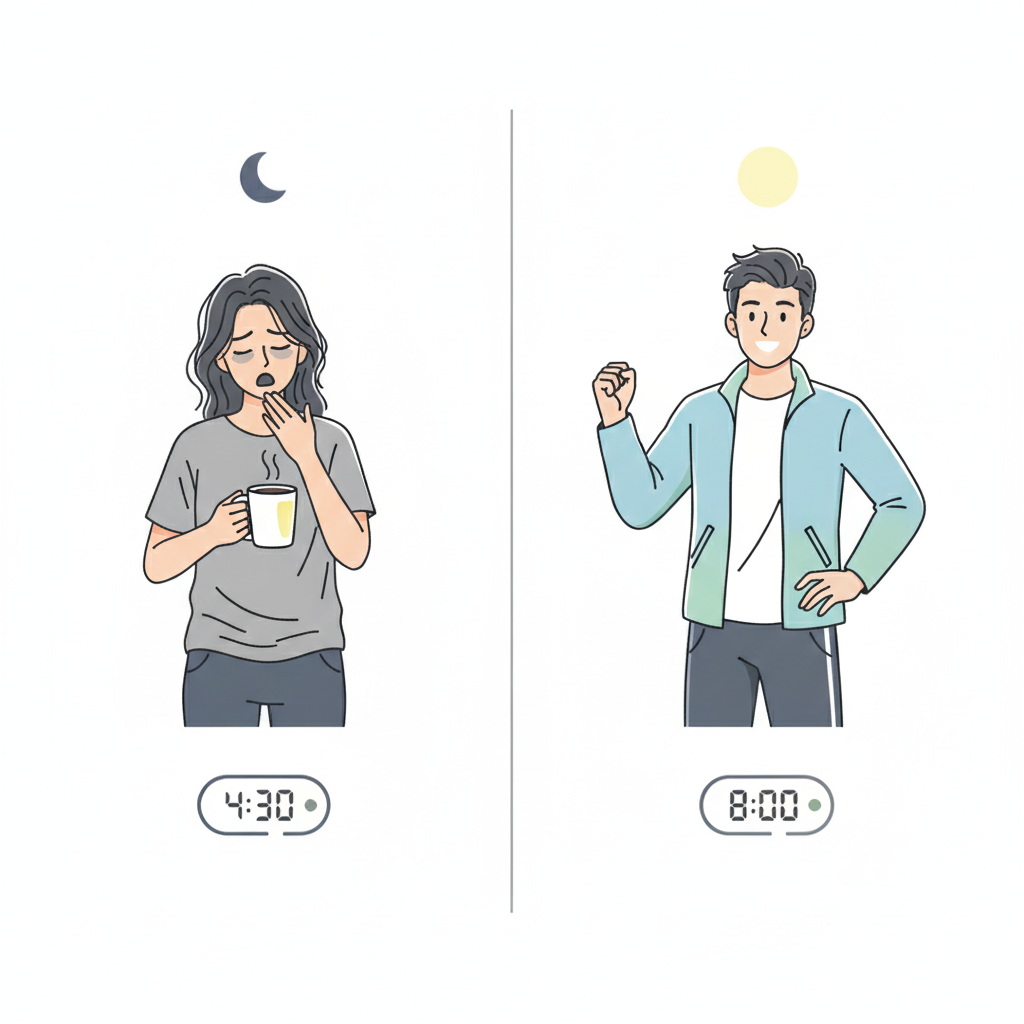
What Happens When You Sleep Less Than 7 Hours

Appetite Regulation Breaks Down
Sleep deprivation causes an increase in ghrelin and a decrease in leptin, making hunger harder to control.
According to research summarized by Scientific American, people who sleep less tend to consume more calories and prefer energy-dense foods.
This hormonal shift often leads to late-night snacking and larger portion sizes the following day.
Calorie Intake Increases Without Diet Changes
A study funded by the National Institutes of Health found that extending sleep duration led to an average reduction of approximately 270 calories per day, without intentional dieting.
Over time, this reduction alone can significantly contribute to fat loss.
Insulin Sensitivity Declines
Chronic sleep restriction impairs insulin sensitivity, making it easier for the body to store fat instead of using glucose efficiently.
According to NIH-published research, short sleep duration is associated with increased obesity risk and metabolic dysfunction.
Sleep, Metabolism, and Energy Balance
Calories matter, but sleep influences how efficiently the body uses those calories.
Understanding body composition and energy needs helps put sleep’s role into perspective. Common clinical reference methods include
- Body Mass Index (BMI) to categorize weight status
- Body fat percentage to track actual fat loss rather than scale weight
- Daily calorie requirement estimation based on activity and metabolism
Poor sleep can interfere with these metrics by slowing metabolism and increasing calorie consumption.
Sleep Quality vs Sleep Duration

Getting enough hours is important, but sleep quality determines how restorative those hours are.
Key Sleep Stages
- Deep sleep supports muscle recovery and fat metabolism
- REM sleep plays a role in hormonal regulation and appetite control
Fragmented or poor-quality sleep can negatively affect weight loss even if total sleep time appears sufficient.
How Better Sleep Supports Fat Loss
Improving sleep habits has been shown to:
- Reduce late-night eating
- Improve insulin sensitivity
- Increase energy for physical activity
- Support muscle recovery
According to Harvard Health Publishing, consistent, adequate sleep is associated with healthier body weight and better long-term weight control.
Practical Ways to Improve Sleep for Weight Loss
Evidence-based strategies that support both sleep and fat loss include:
- Maintaining consistent bed and wake times
- Limiting screen exposure before bedtime
- Avoiding heavy meals close to sleep
- Reducing caffeine intake later in the day
- Keeping the sleep environment dark and cool
These habits help stabilize circadian rhythms and improve hormonal balance.
Common Sleep Mistakes That Slow Weight Loss
- Treating sleep as optional during calorie restriction
- Sleeping irregular hours on weekends
- Relying on naps instead of nighttime sleep
- Ignoring sleep quality and focusing only on duration
Research consistently shows that chronic sleep deprivation undermines fat loss efforts, even with controlled diet and exercise.
Frequently Asked Questions (FAQs)
How many hours of sleep help reduce belly fat?
Studies suggest that adults who sleep 7–9 hours per night have better appetite regulation and lower risk of abdominal fat accumulation.
Can naps replace nighttime sleep?
Short naps may improve alertness but cannot replace the metabolic and hormonal benefits of continuous nighttime sleep.
Is sleep more important than diet for weight loss?
Both are important. Diet creates the calorie deficit, while sleep determines how effectively the body responds to it.
Medical Disclaimer
This content is for informational purposes only and does not constitute medical advice. Always consult a qualified healthcare professional before making changes to sleep habits, diet, or exercise routines, especially if you have underlying medical conditions.

Conclusion
Scientific evidence clearly shows that sleep is a foundational component of successful weight loss. Consistently sleeping 7–9 hours per night helps regulate hunger hormones, reduce calorie intake, improve metabolic health, and support fat loss.
When adequate sleep is combined with balanced nutrition, physical activity, and proper assessment of body metrics such as BMI, body fat percentage, and calorie needs, long-term weight management becomes significantly more achievable.